Gozan no Okuribi (Daimonji Fire Festival) 2026
In a nutshell
- What is it?
- Five mountain bonfires shaped as kanji and symbols light up Kyoto’s skyline to guide ancestral spirits home at the end of Obon.
- Why go?
- One of Kyoto’s most iconic summer spectacles — free to watch, dramatic silhouettes, and a rare city-scale night landscape.
- Perfect for
- Evening photography, cultural travelers, first-time Kyoto visitors during Obon
- Time needed
- Aug 16, fires lit 20:00–20:20; all five visible together by ~20:30
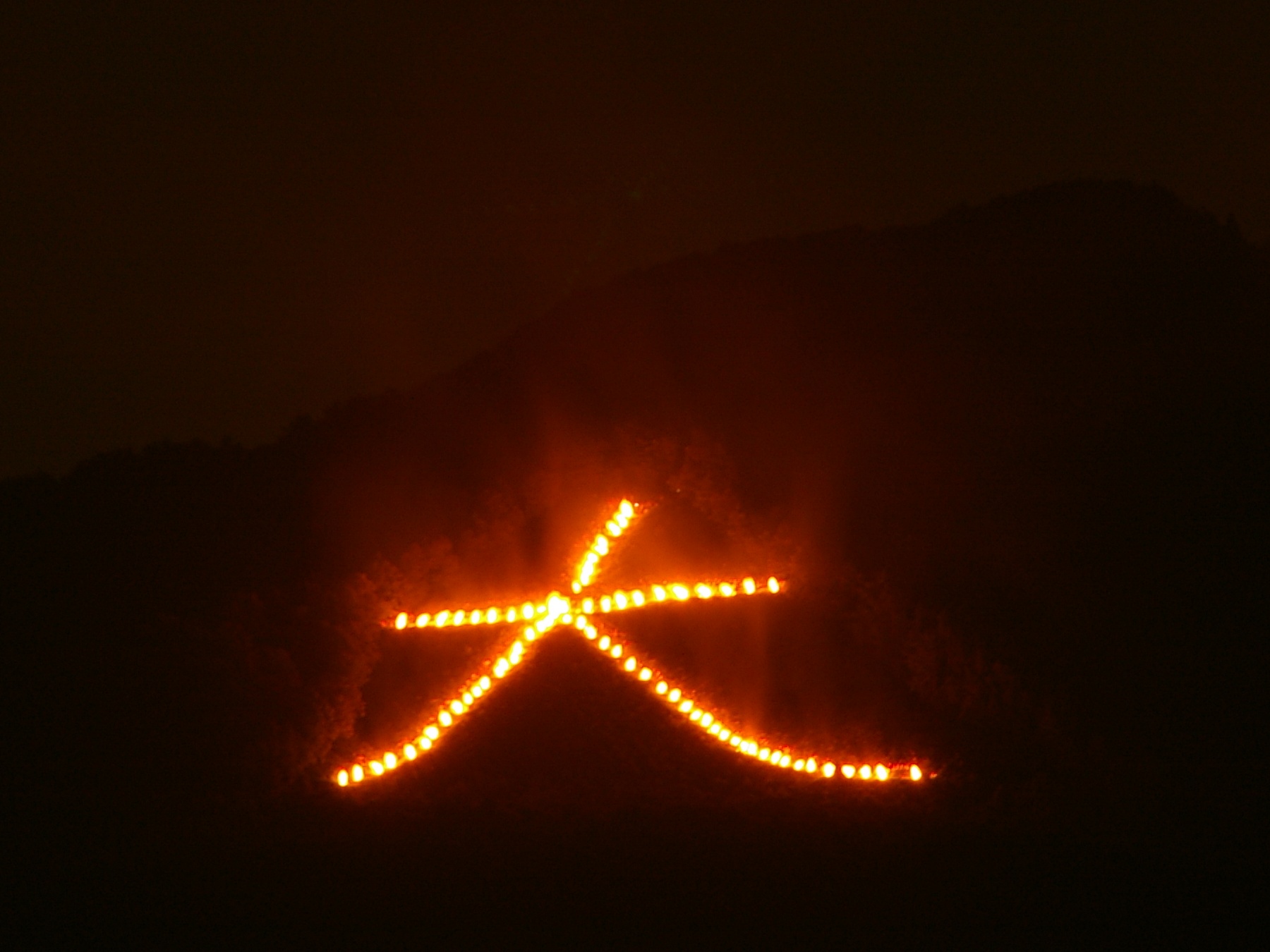
Kyoto’s most iconic summer spectacle: five massive bonfires light up the mountains surrounding the city on the evening of August 16, marking the end of Obon. Each fire is shaped as a kanji character or symbol, meant to guide ancestral spirits back to the afterlife after their annual visit.
The five fires are lit counter-clockwise at precise five-minute intervals:
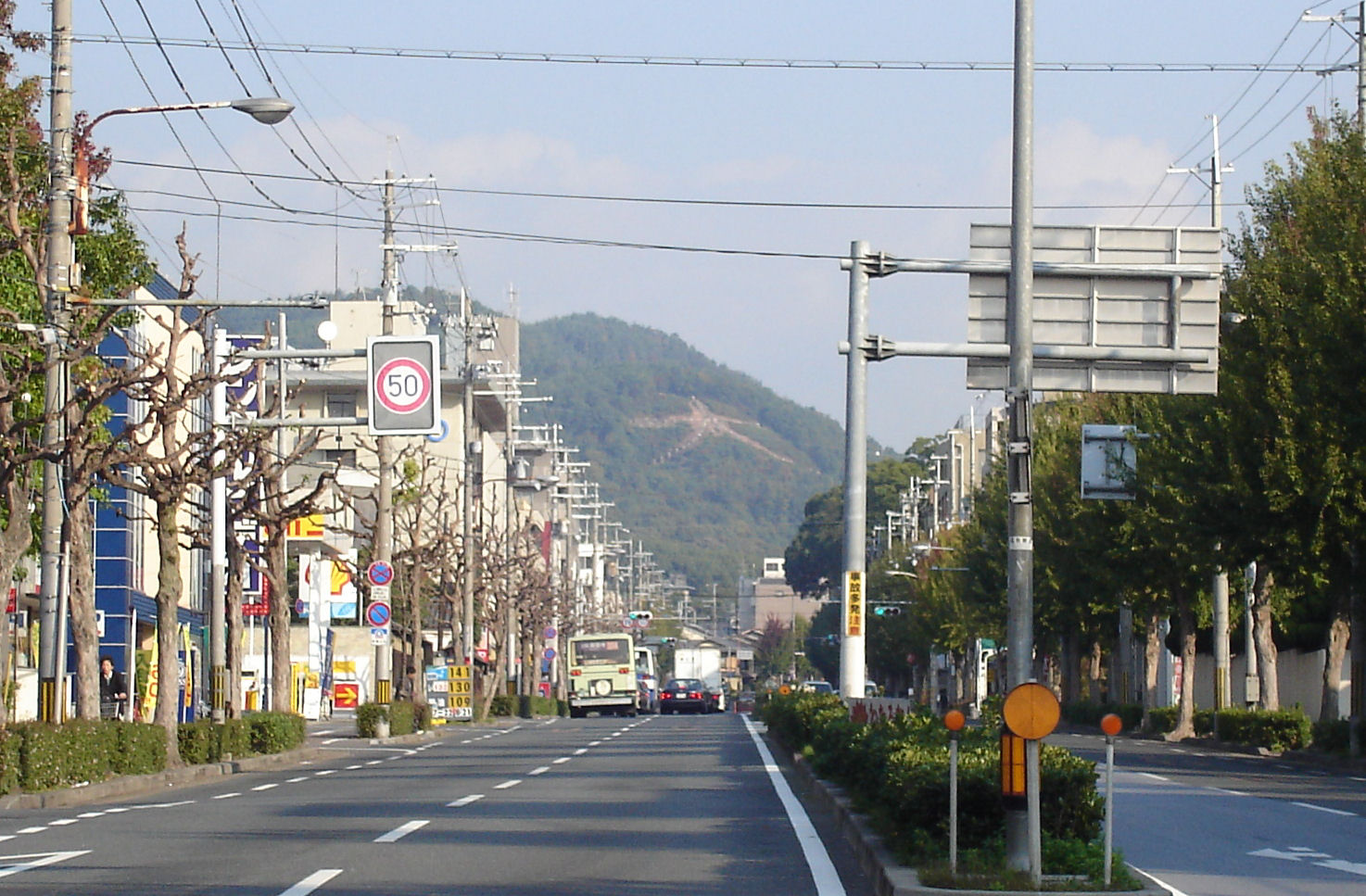
- 大 Daimonji (Great) — 8:00 PM, Mt. Daimonji (Nyoigatake), Higashiyama
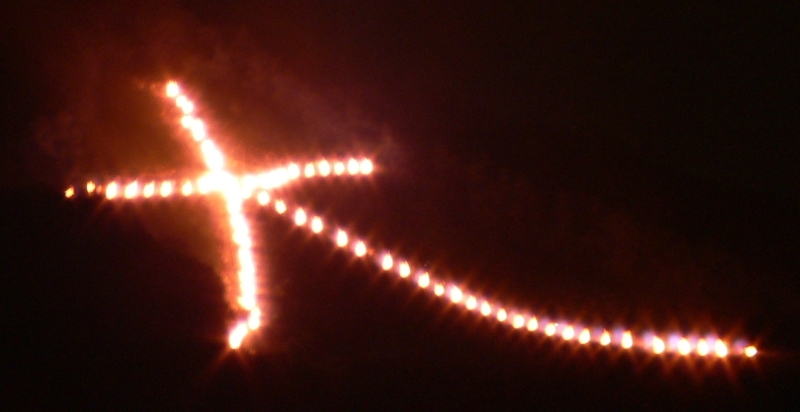
- 妙法 Myō-Hō (Buddha’s teaching) — 8:05 PM, Matsugasaki Nishi-yama & Higashi-yama
- Funagata (Ship) — 8:10 PM, Funayama (Nishigamo)
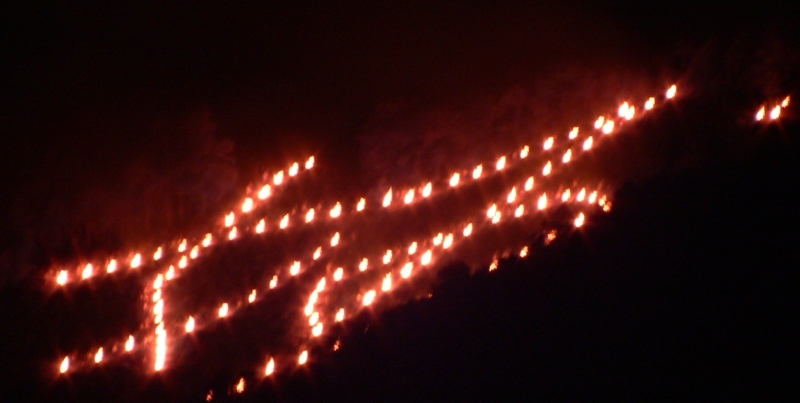
- Hidari Daimonji (Left Great) — 8:15 PM, Okitayama (Kinkakuji area)
- Toriigata (Shrine gate) — 8:20 PM, Mandara-yama (Saga/Arashiyama)
Each fire burns for about 30–40 minutes. The sweet spot is around 8:30 PM, when all five are visible simultaneously from central vantage points.
Best free viewing: Kamogawa riverbanks between Sanjo and Imadegawa bridges (arrive 1–2 hours early), Kyoto Gyoen (Imperial Palace Park), and elevated hotel rooftops. The mountains themselves are closed to hikers on August 16. Dating back to at least the Muromachi period (15th century), this is Kyoto’s most photographed Obon tradition — bring a fast lens and settle in before dusk.
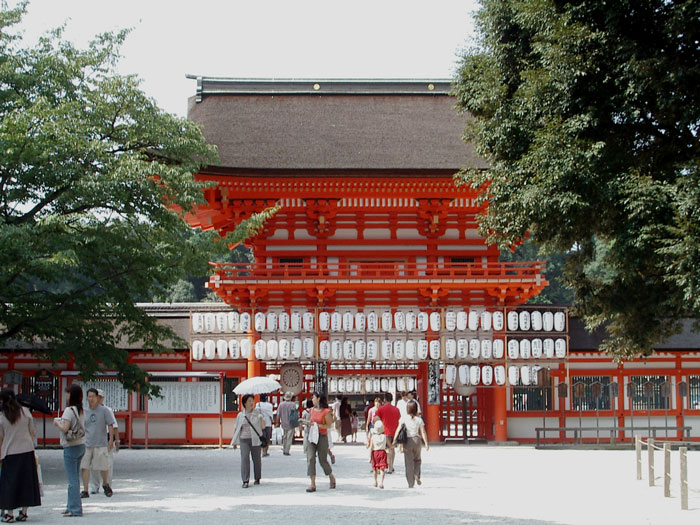
Photos: J_o and Wikimedia contributors, CC BY-SA 3.0, via Wikimedia Commons
Gallery
More things to do
Aug 6, 2026
Yatori Shinji Festival 2026

Aug 7–16, 2026
Tanabata Sky Lantern Festival 2026

Aug 23, 2026